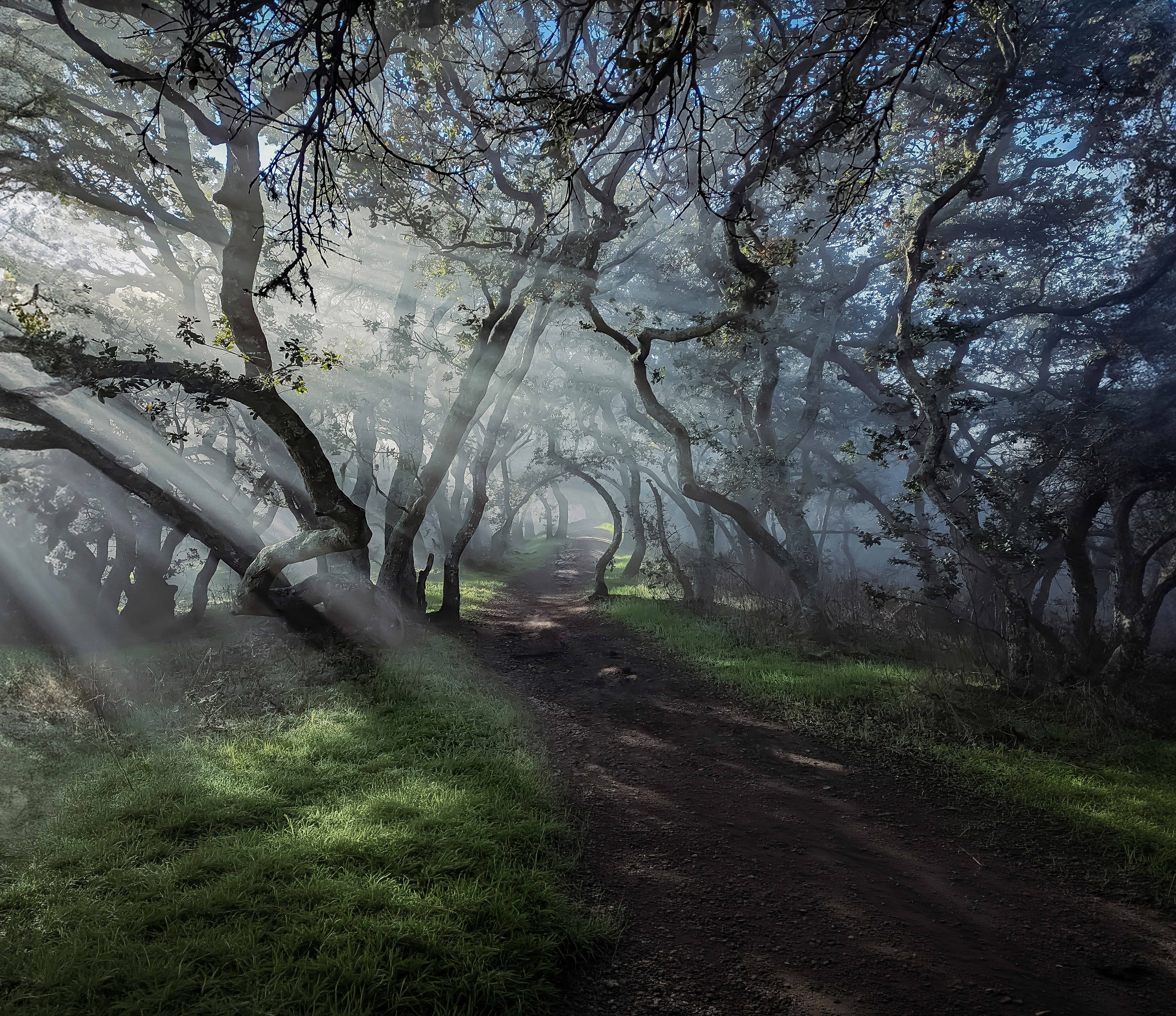
Trees line the path to my soul.
In my deepest dreams, I tell stories with friends around a small fire inside a great redwood.
Canopies dominate my psyche—a brain of branches, a forest in my heart, roots reaching deep into memory. I have traveled far to witness and capture their fruits and to listen for their dreams. I have slept at the feet of the oldest and largest among them and stood mountain-top enchanted by their wind songs and dances of light. Through them I have learned that life is less a solitary journey than a vast woodland of connections, each of us growing upward toward the sun while sharing unseen roots below.
In my deepest dreams, I tell stories with friends around a small fire inside a great redwood.
Canopies dominate my psyche—a brain of branches, a forest in my heart, roots reaching deep into memory. I have traveled far to witness and capture their fruits and to listen for their dreams. I have slept at the feet of the oldest and largest among them and stood mountain-top enchanted by their wind songs and dances of light. Through them I have learned that life is less a solitary journey than a vast woodland of connections, each of us growing upward toward the sun while sharing unseen roots below.
During this period, the old image of forests as collections of individual trees competing for light and resources has largely been laid to rest. In its place, a growing body of research presents forests as deeply interconnected living systems, where trees, fungi, animals, insects, microbes, water, climate, and time are woven together in intricate relationships.
A single mature tree can influence thousands of species, while an entire forest can function as a vast ecological memory extending across centuries. The health of a forest depends not merely on the survival of individual trees, but on preserving the networks, diversity, and long-lived relationships that allow whole ecosystems to flourish.
My college advisor taught a class called Ecosystemology that explored many of these ideas when they were still relatively nascent. What we learned then—and what science continues to reveal today—is so powerful and beautiful that it has profoundly shaped how I experience and allocate time.
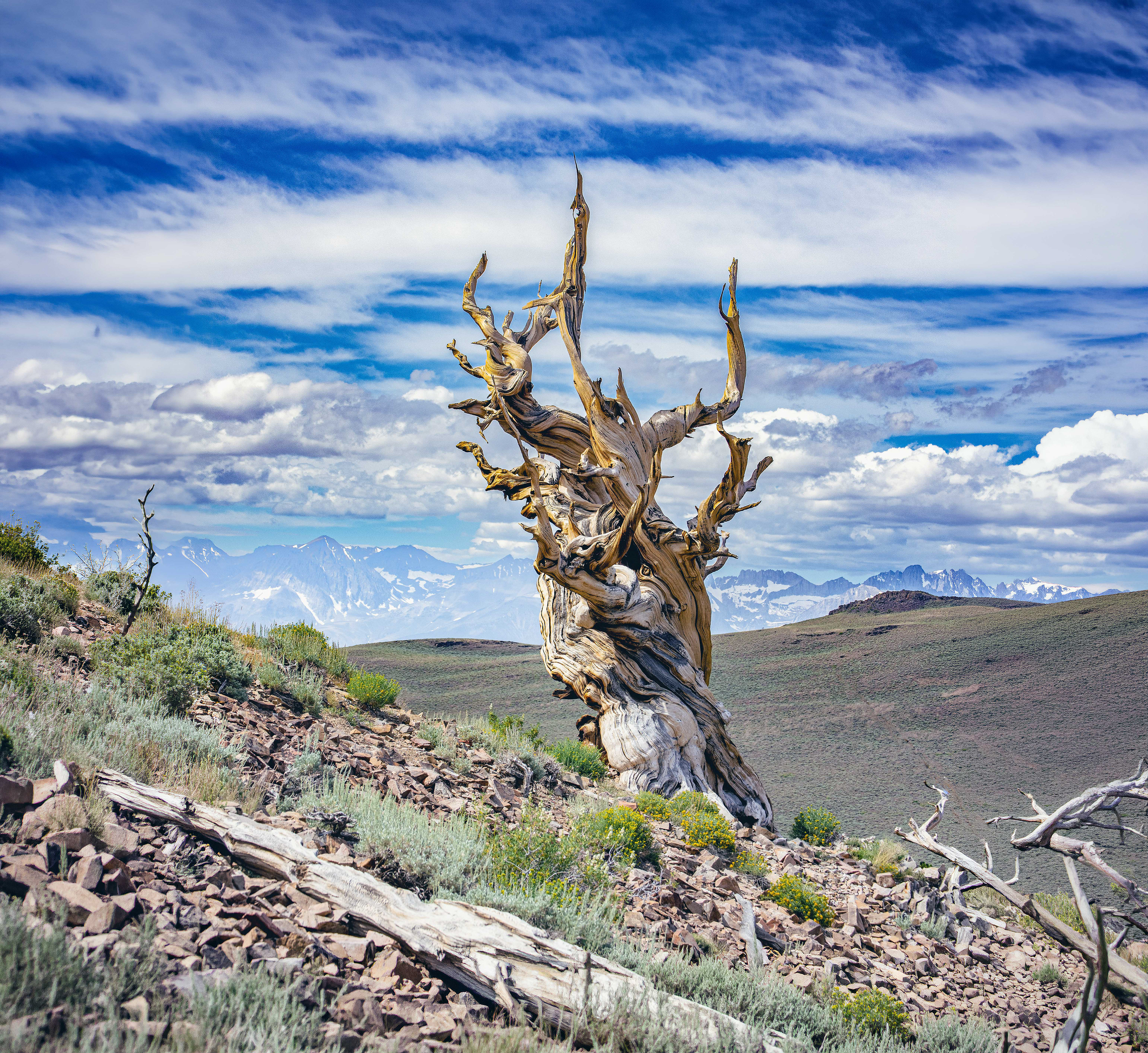
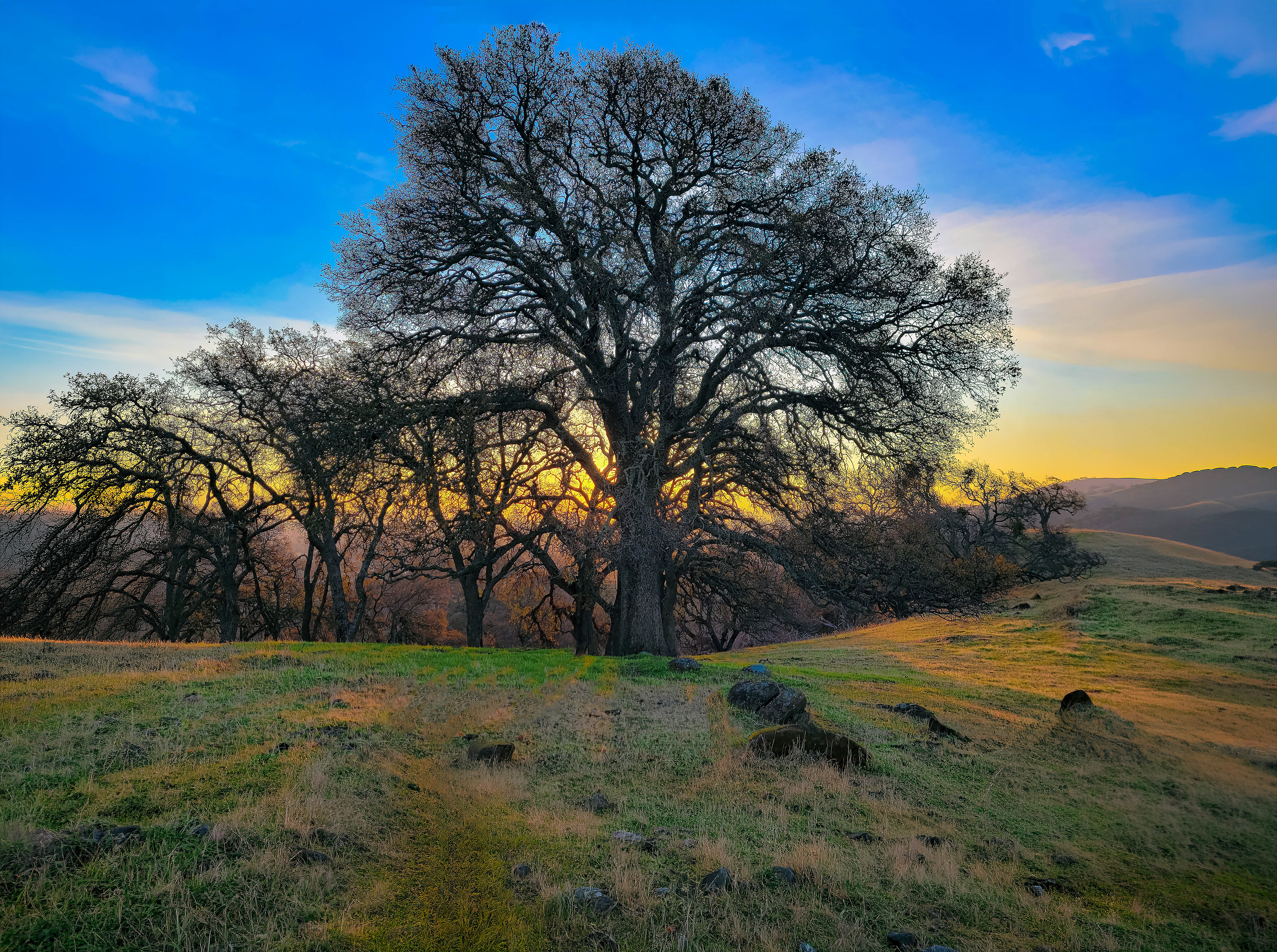
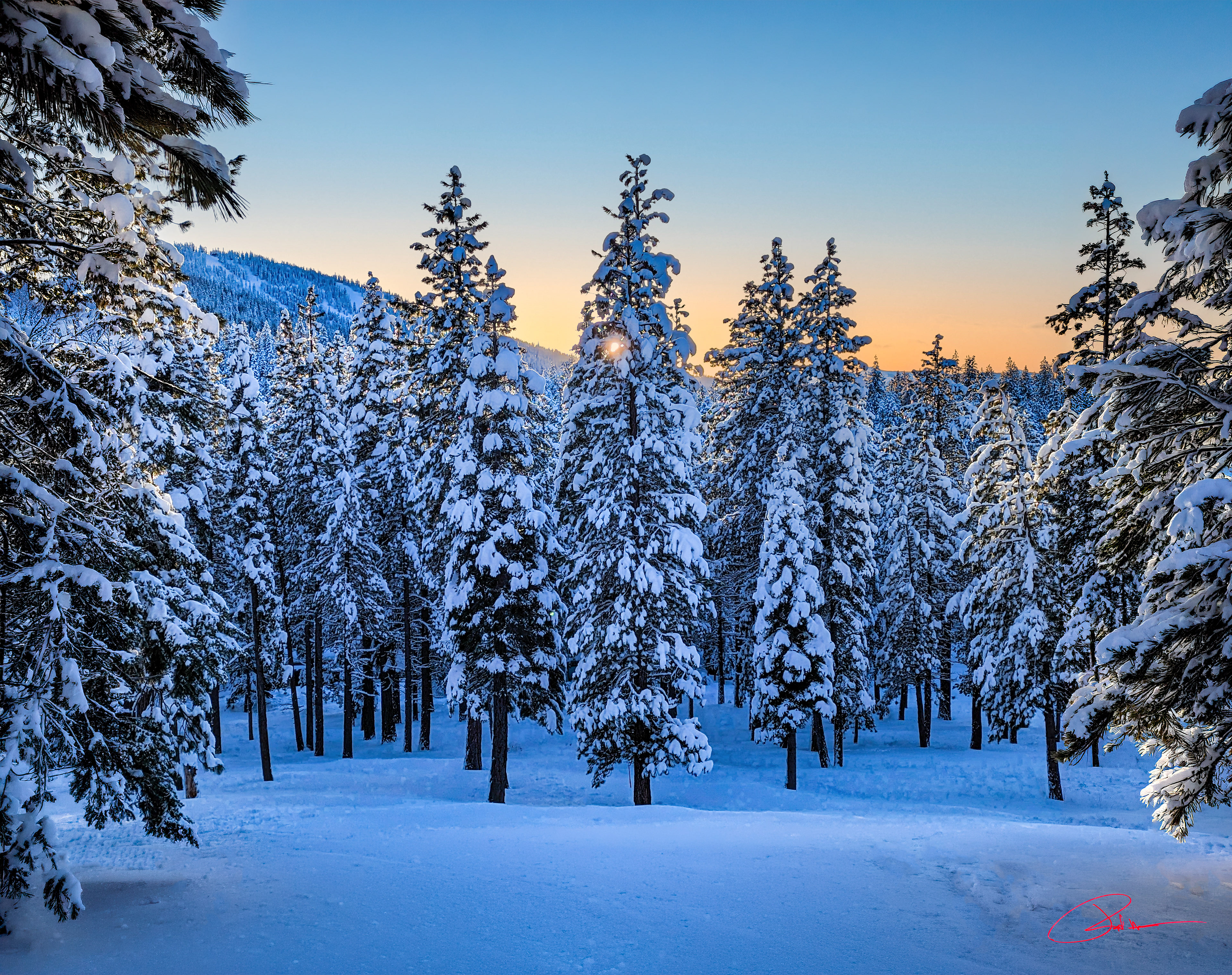
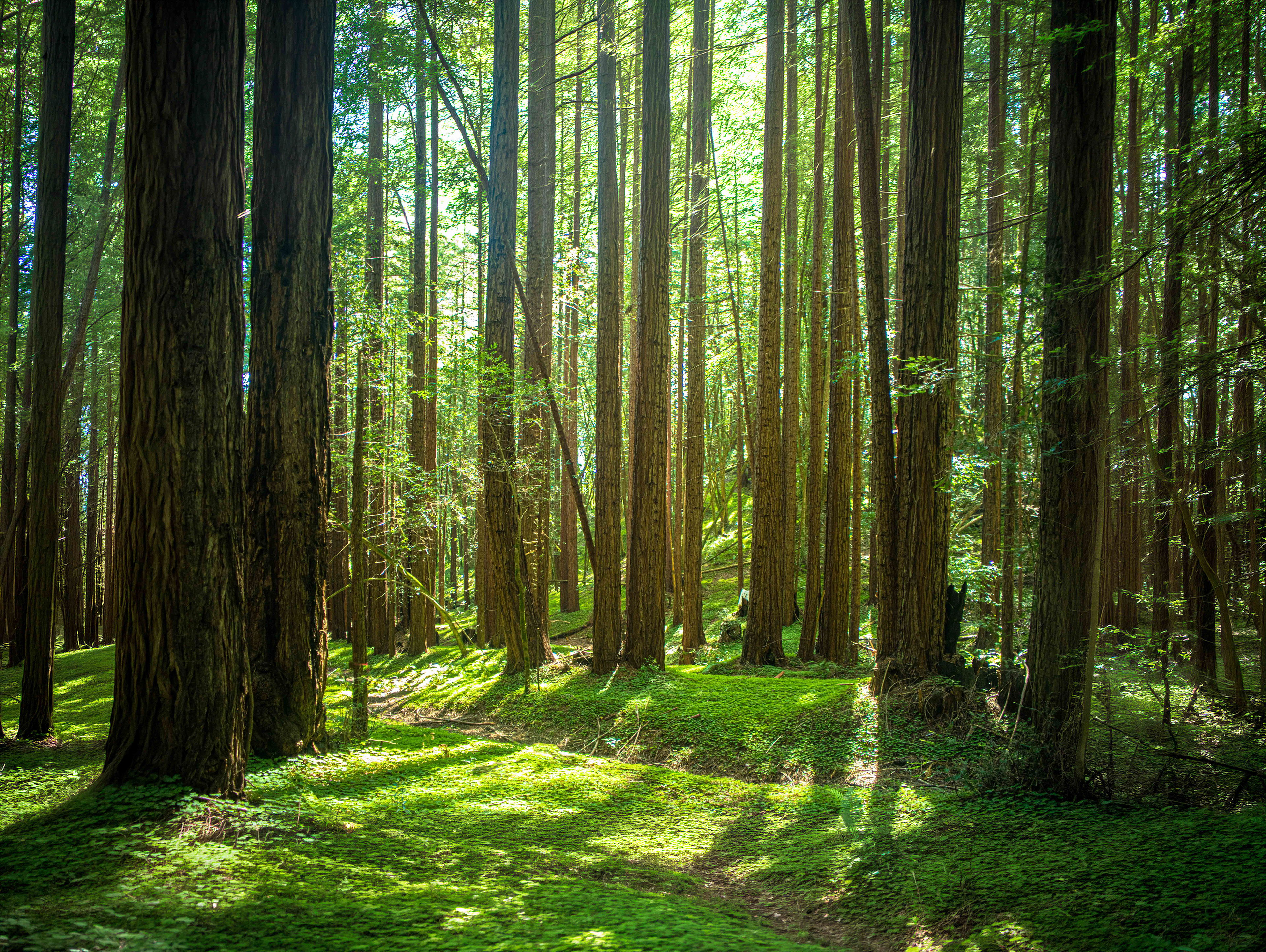
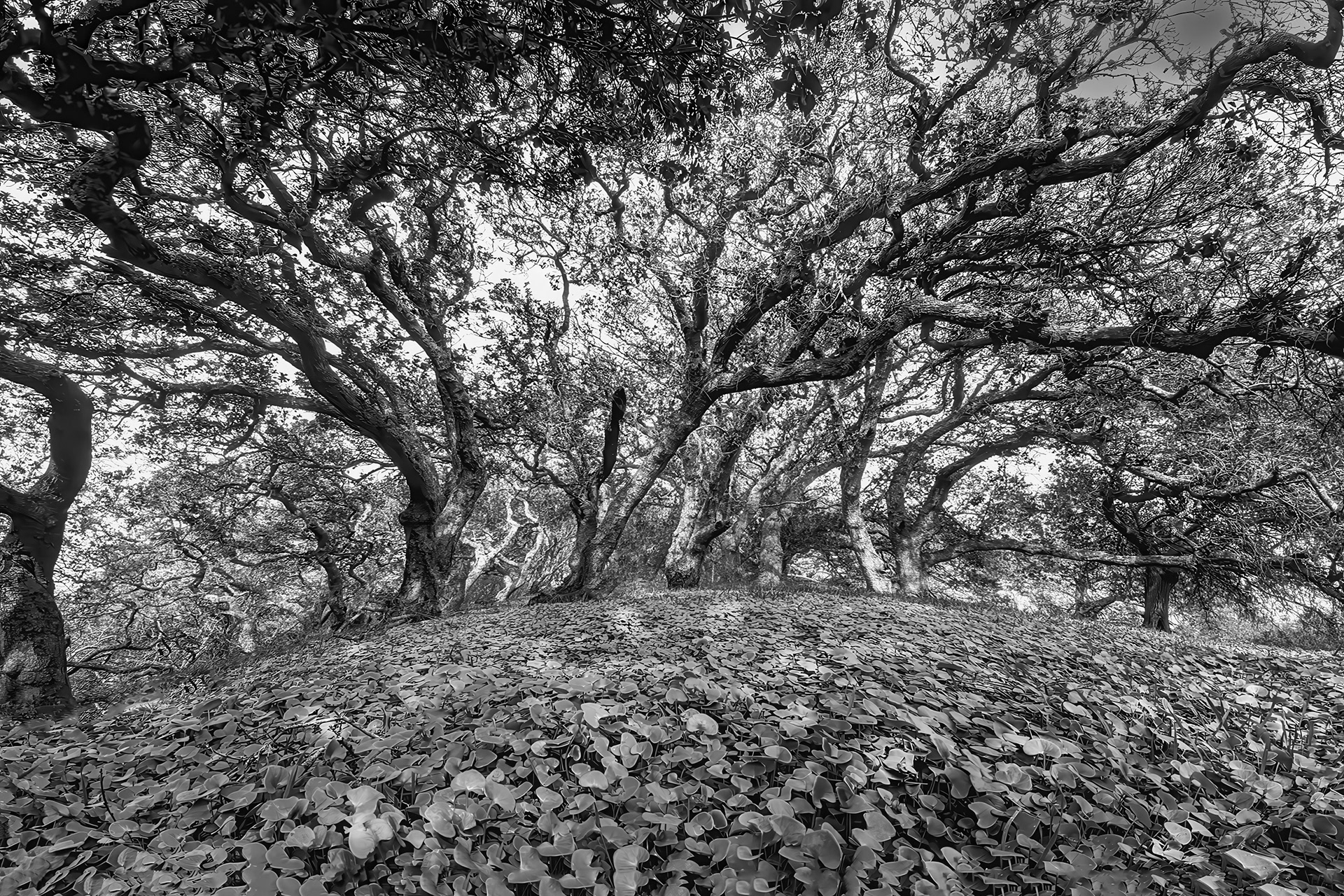
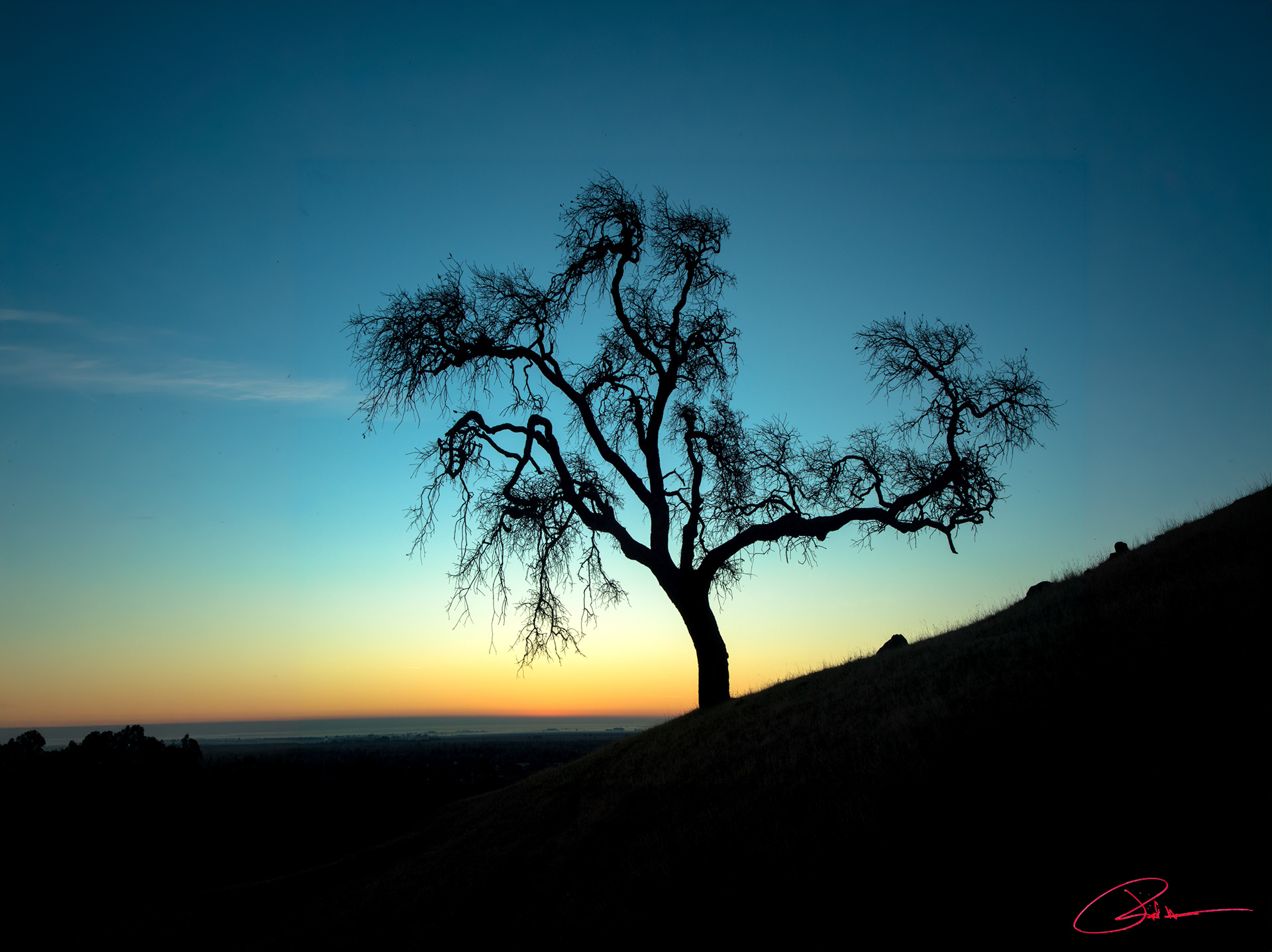
Here are a few of my photographs of trees and forests from the past several years. Below you'll also find a list of books I love on the subject.
1. The Hidden Life of Trees (2015) — by Peter Wohlleben
This book brought the idea of forests as interconnected communities into mainstream culture. Drawing on forestry observations and emerging research, it argued that trees cooperate, communicate through underground fungal networks, and support one another in ways that challenge the traditional view of trees as isolated competitors.
2. Finding the Mother Tree (2021) — by Suzanne Simard
Simard's work provided some of the strongest scientific evidence that trees exchange resources and information through mycorrhizal fungal networks. Her research on "mother trees" fundamentally expanded our understanding of forests as complex social and ecological systems rather than collections of individual organisms.
3. The Overstory (2018) — by Richard Powers
Although a novel, its cultural impact on public perceptions of trees may rival that of any scientific work. It helped millions of readers see trees as living beings operating on timescales and levels of complexity far beyond ordinary human awareness, while also highlighting the consequences of forest loss.
4. The Songs of Trees (2017) — by David George Haskell
Haskell explored forests through the lens of sound, ecology, evolution, and interconnectedness. The book broadened understanding of how trees shape entire communities of life, from fungi and insects to birds and humans, revealing forests as dynamic networks of relationships.
5. The Nature of Oaks (2021) — by Douglas W. Tallamy
Tallamy demonstrated the extraordinary ecological importance of individual trees, particularly native oaks, in sustaining biodiversity. His work helped shift conservation thinking from simply preserving green space to preserving the specific species and ecological relationships that support entire food webs.